Nogatsaa Expedition Camp
Launching 2027
Deep Chobe. True elephant country.
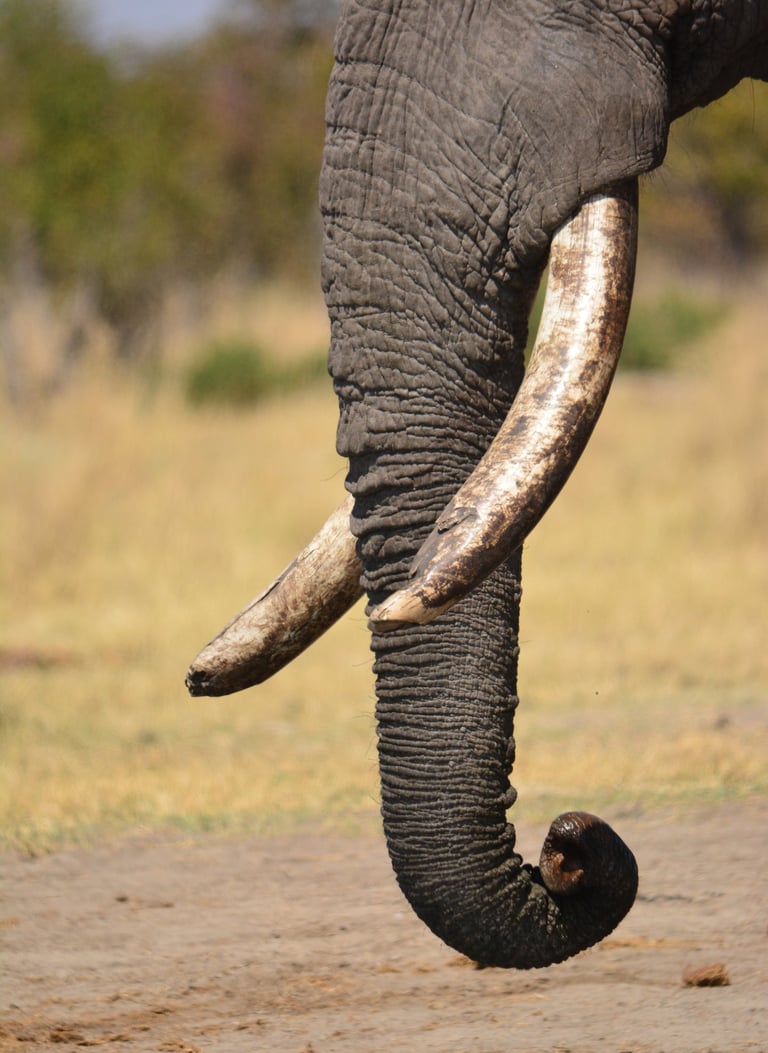
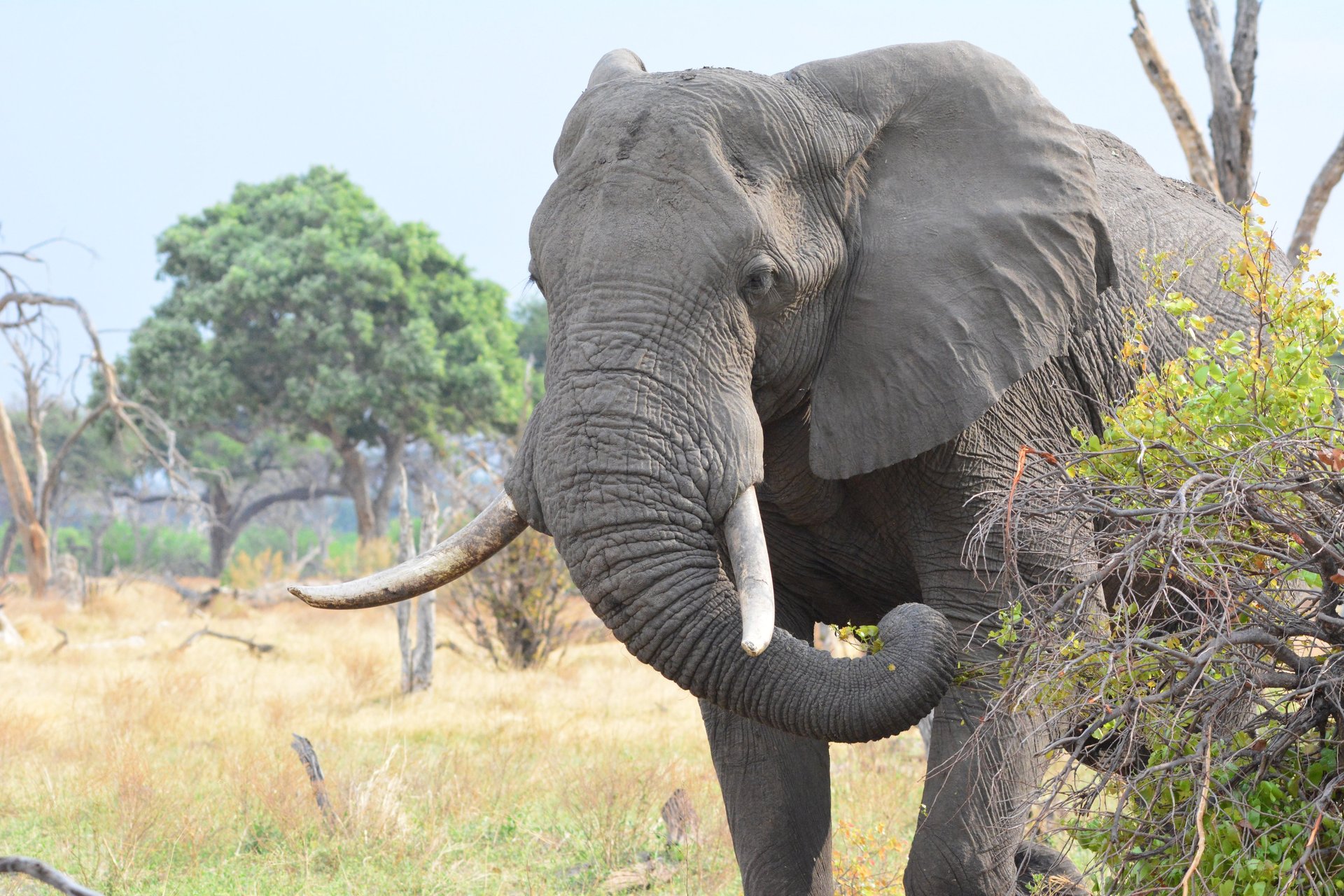
Nogatsaa is defined by elephants, particularly in the dry season when natural surface water recedes and movement becomes concentrated around permanent waterholes. As surrounding pans and channels dry, herds are drawn steadily inward, gathering in remarkable density across the woodland landscape.These waterholes are essential. In this region of Chobe, pumped water points sustain wildlife during the harshest months, when natural supply is limited. Without their continued maintenance, seasonal pressure on the ecosystem would be severe.
The presence of camp in the area ensures that these pumps are monitored and maintained, directly supporting the survival of elephants and the wider wildlife community that depends on them. What unfolds at Nogatsaa is therefore more than a wildlife spectacle. It is a functioning ecological system supported through careful stewardship.
Elephants arrive in scale. Calves move between matriarchs. Bulls stand apart in quiet authority. Dust settles in the late afternoon light as herds hold their ground around water that makes survival possible.
Here, the dry season reveals both the vulnerability and resilience of Chobe’s elephant country.
The Experience
Chobe. Long Forgotten
The Camp
Luxury in the last Frontier
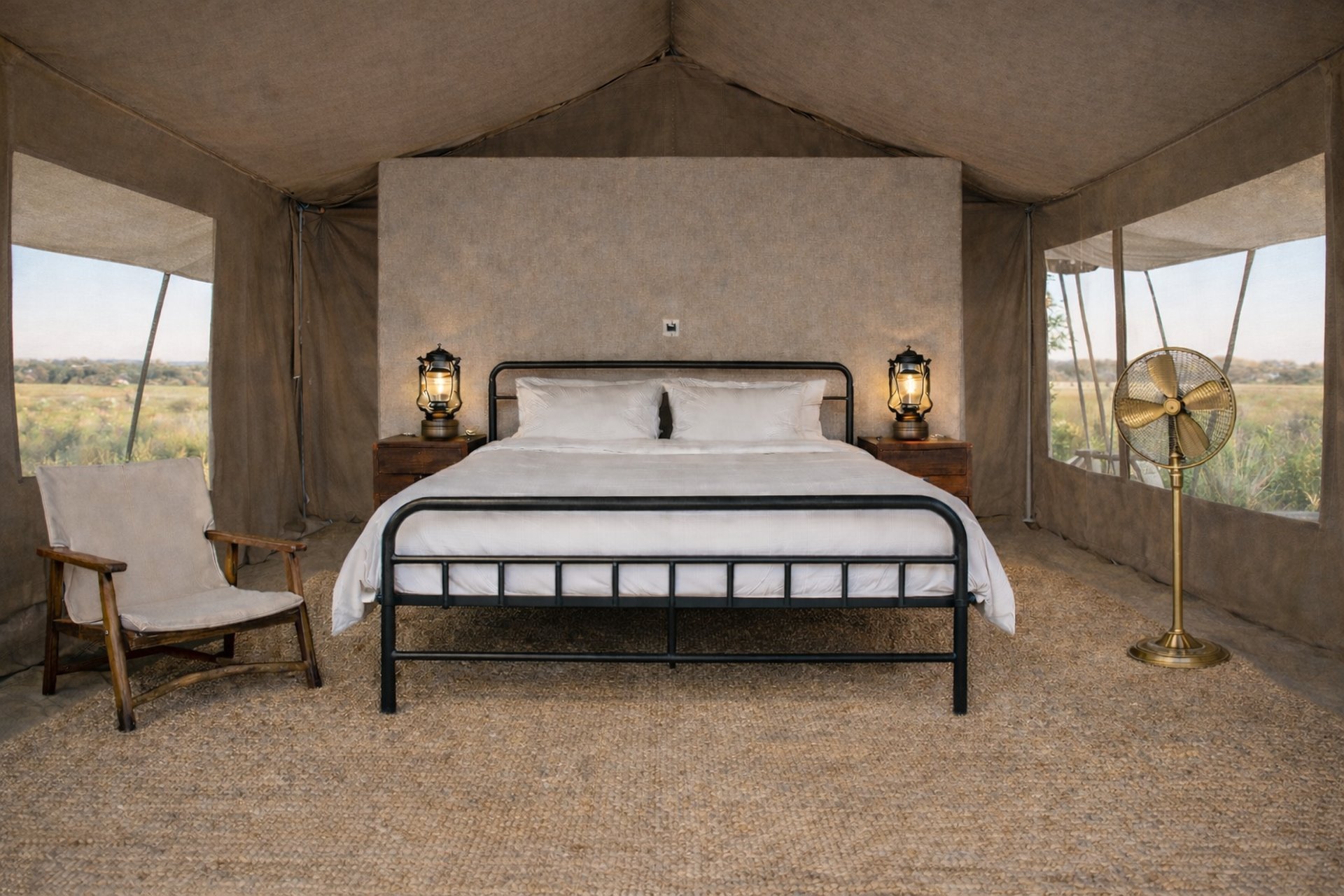
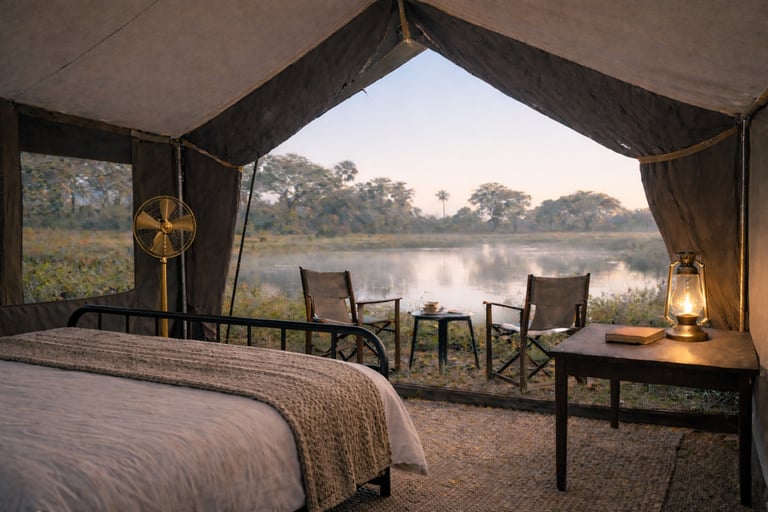
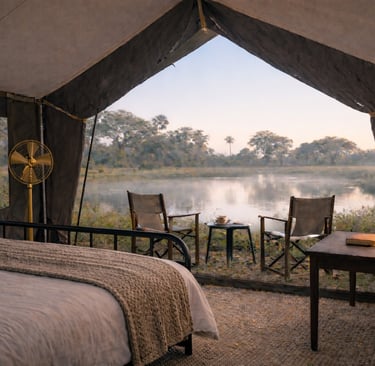
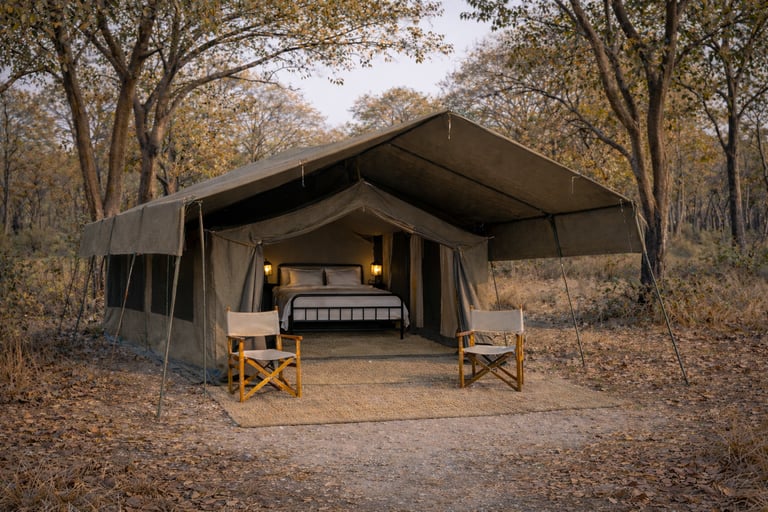
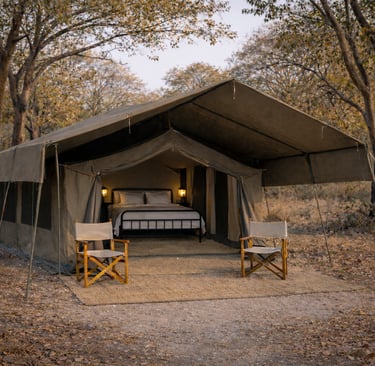
Nogatsaa consists of just three guest tents, positioned with deliberate distance between them to preserve privacy, quiet, and uninterrupted views into the surrounding woodland.
Each tent is constructed in classic Meru style, interpreted with a refined, campaign-minimal aesthetic. Interiors are composed rather than decorated, with natural textures, steel expedition bed frames, and carefully considered lighting. Comfort is present, but never dominant.
The camp is fully solar powered, allowing for quiet, low-impact operation throughout the day and into the evening. All infrastructure is removable, ensuring the site can return to its natural state when the season shifts and camp moves.
Set lightly within elephant country, the tents remain understated in scale and footprint. Space defines the experience as much as design. Space between tents, space between structures, and space for the wilderness to remain the primary presence.
Shaped by Giants.
Time in The wilderness
Tracks tell Stories
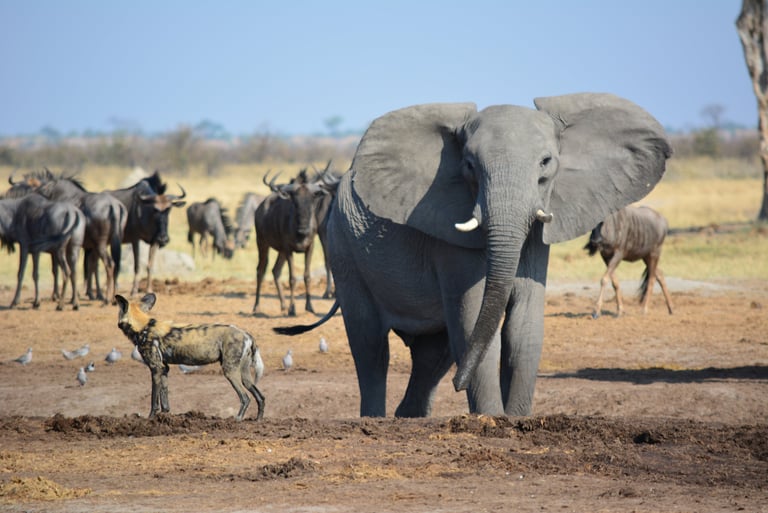
Game drives depart twice daily, shaped by water and season. In the dry months, elephant density increases around pumped waterholes, drawing lion into position and cheetah into the open margins. Movement becomes purposeful. The ecosystem tightens.
Morning drives interpret fresh spoor and early gathering herds, while afternoons carry through to the hour when dust settles and predators emerge with intent. The experience remains patient and composed, favouring depth over urgency.
Time in the Hide
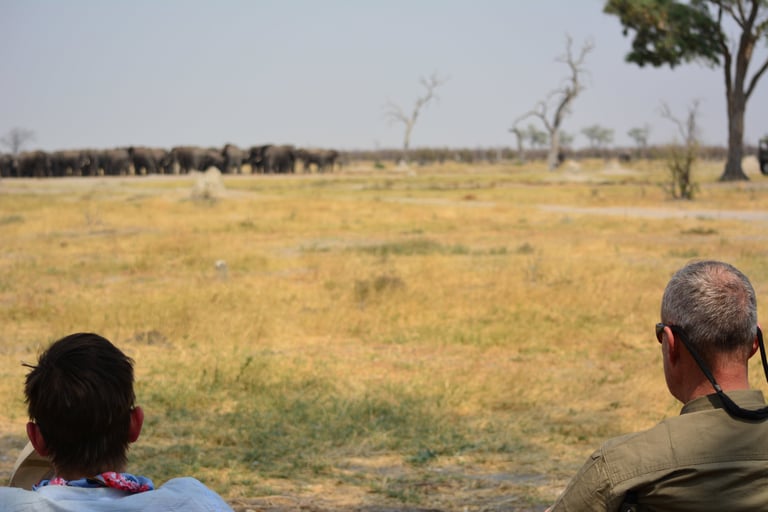
Strategically positioned overlooking key waterholes, the wildlife hides at Nogatsaa offer a quieter and more deliberate perspective. Elevated and well concealed, they allow for close, undisturbed observation as elephants gather, lion hold position nearby, and cheetah move across the open margins.
In the dry season, when wildlife concentrates around pumped water sources, the hides become particularly compelling. Herds arrive in scale and remain for extended periods, creating opportunities to observe behaviour that is often missed from a vehicle. Calves settle beside matriarchs, bulls stand apart, and subtle hierarchies reveal themselves without interruption.
Time in the hide is unhurried. It is less about pursuit and more about presence. A measured vantage point within one of Chobe’s most active dry-season landscapes.
Leon Safaris
Botswana
Refined mobile safaris across Botswana.
Explore
Our Standard
Enquiries
Reservations@leonsafaris.com
Botswana